Alexander Technique with Jeanne Benioff
  • Welcome
  • About Jeanne
  • Alexander Technique
  • Frank Ottiwell
  • In the News
  • Links
  • Contact Jeanne
  • Jeanne's Blog

Gait-Way to Walking Well– presentation by David Anderson on May 10, 2025

5/11/2025

0 Comments

 
Here are my notes from this talk:
The faster you walk, the longer you live.

The decline of gait speed precedes cognitive decline.

M-L instability (medial-lateral, meaning side to side) is the primary cause of falling

When children gain independent mobility (i.e., walking), there is a big surge in psychological development; when older adults lose mobility, there is a psychological decline

He did a study of 61-72 year olds; one group was very fit and the other was AT teachers.  AT teachers’ gait patterns were like those of healthy young adults whereas the other group, even though fit, did not compare; Tai Chi practitioners have similar results as AT teachers.

If your gait is 0.8 meters per second or less, you need PT

AT keeps you young!

New website of peer-reviewed research on mind, movement, and posture:
https://alexandertechniquescience.com/

The following is on David's website  https://kin.sfsu.edu/people/david-anderson
 Effects of the Alexander Technique on Gait and Activities of Daily Living
The Alexander Technique is an educational method used to address unconscious habits that interfere with efficient posture, movement, and learning. Grounded in the fundamental unity of mind and body, the technique is an exploration of our reactions to the myriad of internal and external stimuli we encounter each day. An abundance of anecdotal evidence suggests that practicing the technique can lead to dramatic improvements in health, pain, the quality of movement, and psychological functioning. A relatively large and rapidly expanding body of experimental evidence now supports these anecdotal reports. Our research has shown that experienced teachers of the Alexander Technique (over the age of 60) walk differently than age-matched controls. The Alexander Technique teachers show superior control of dynamic stability during walking, decreased variability in certain gait parameters, and ranges of motion in the ankle and knee similar to those seen in young adults. I conduct this research in the M.A.R.E.Y lab in collaboration with Dr. Kate Hamel and the Bay Area Alexander Technique (BAAT) coalition.
0 Comments

JUST A THOUGHT:  IT CAN CHANGE YOUR LIFE! 

1/7/2017

0 Comments

 
I thought this article in the Fall 2016 issue of AmSAT Journal by Ellen Buffa was spot on, and wanted to share a few excerpts with you:
 
“Don’t underestimate the power of a simple thought.  The Alexander Technique can teach you how to use conscious thoughts to change unwanted, habitual behaviors that create physical and emotional stress.
 
...From this different place I can approach any situation more peacefully.  The problem is that old habits are persistent!  Developing new skills to inhibit the old habits requires time and consistent practice, but I can call on these new skills any time, during any activity.  The more I do this, the more automatic this new response becomes.
 
… I can say with confidence that I live a more authentic, thoughtful life because the Alexander Technique allows me to feel sensations in my body, but to not react to them in frustration, fear, or anger.  … I share these experiences to encourage you to explore this path to self-discovery…”
0 Comments

Maybe I Have Become That Body!  (to be published in AmSAT Journal)

3/29/2016

0 Comments

 
0 Comments

January 15th, 2016

1/15/2016

0 Comments

 
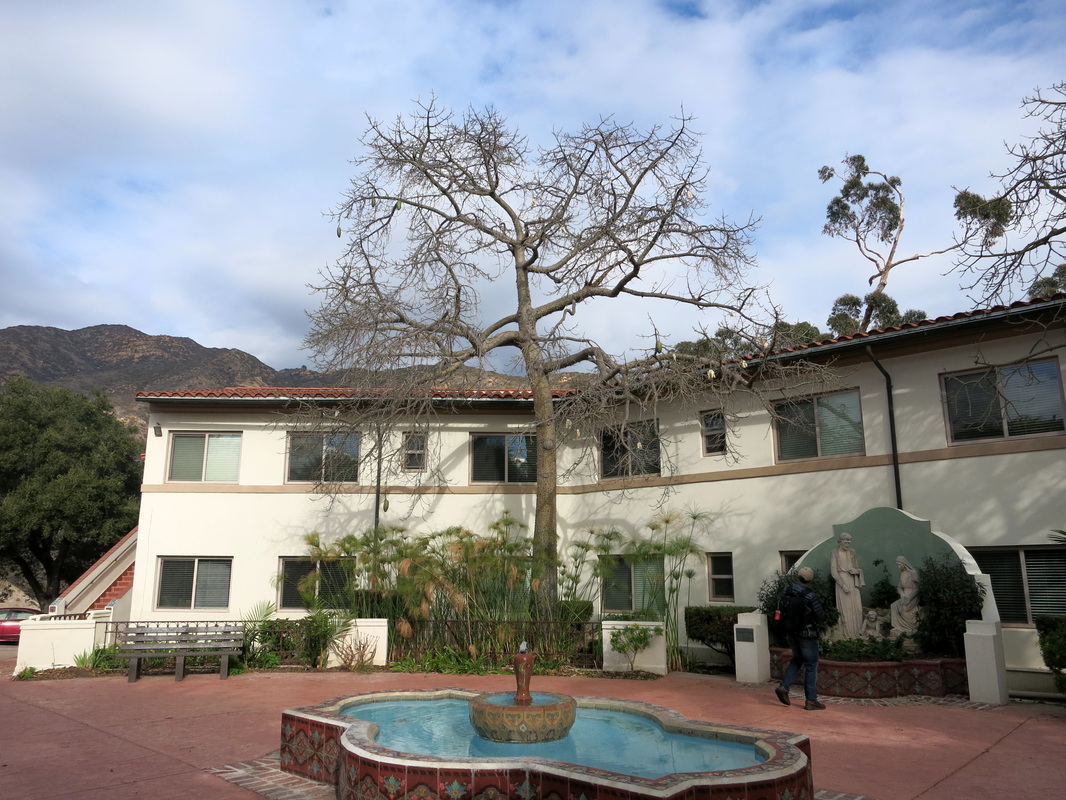
Another amazing residential workshop at Serra Retreat in Malibu!  http://serraretreat.com/  
http://alexandertechniqueworkshops.com/
 
(See January 2015 blog for photos from last year’s retreat.)  

Picture
Picture
 
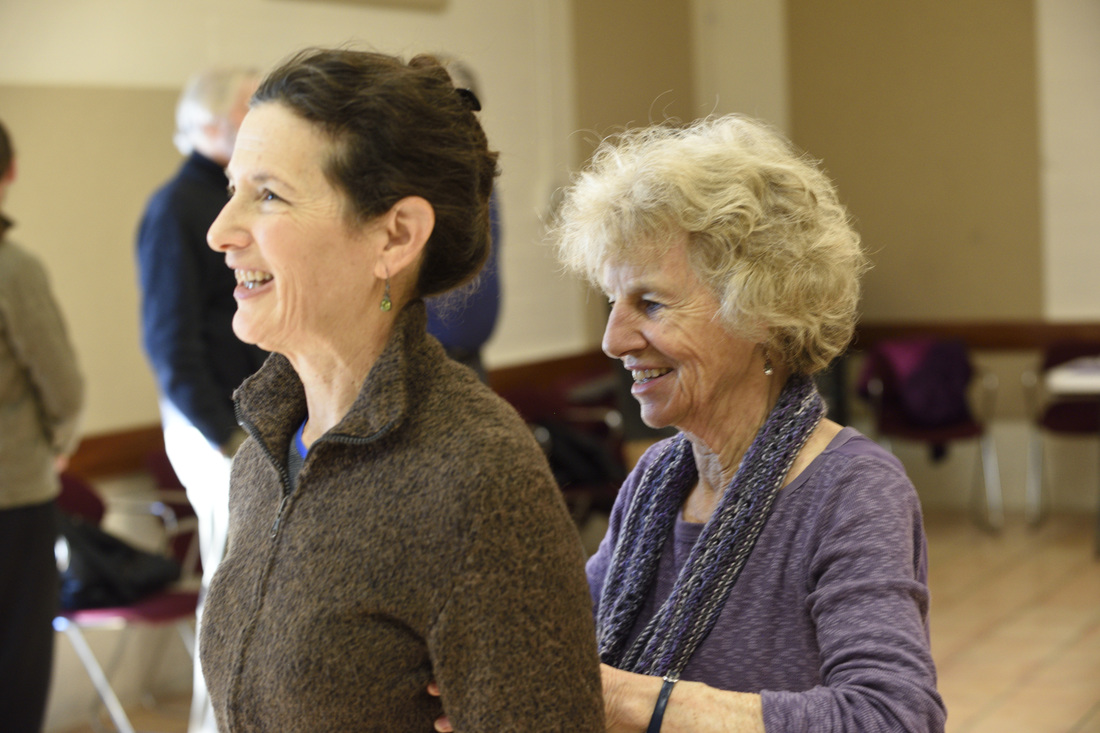
This is me enjoying Frances Marsden’s directions during our morning ‘walkabouts’ (photo by Harvey Wolfson, who photographed and videotaped much of the proceedings).


Picture
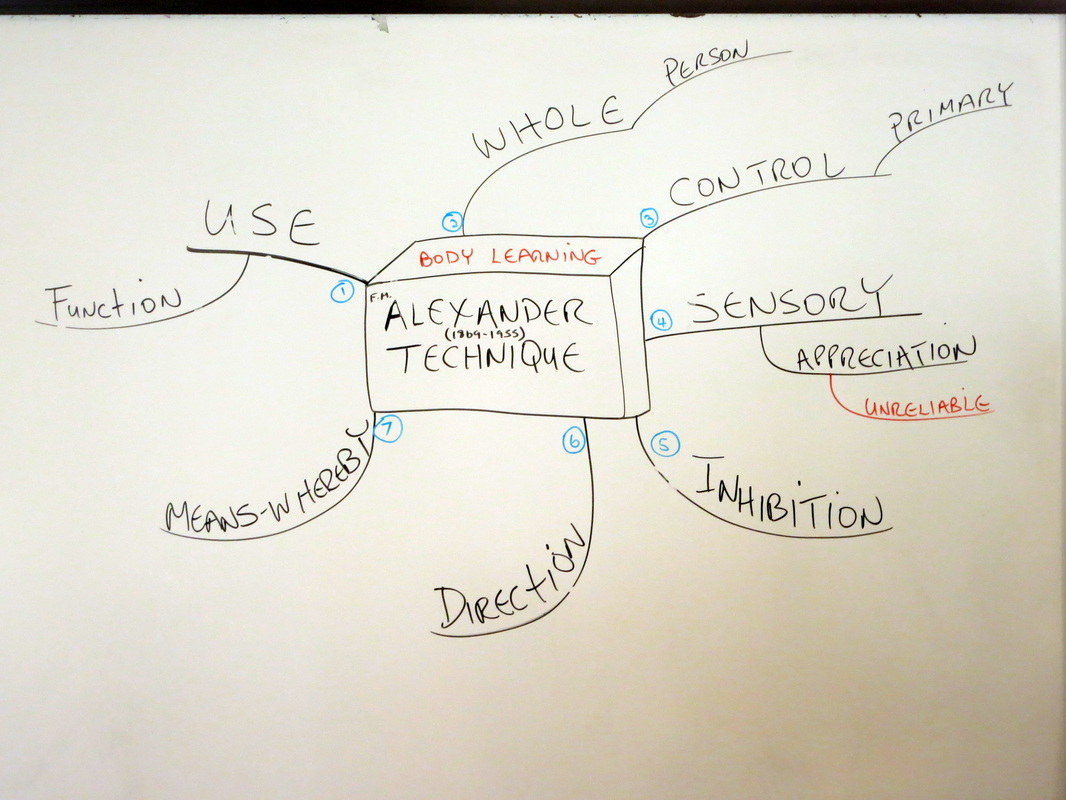
Again we were treated to inspiring talks by motivational speaker and prolific book writer, Michael Gelb.  http://michaelgelb.com/  Here is his diagram illustrating what he says are the 7 operational ideas of the Alexander Technique as laid out in his book, Body Learning.

Picture
Again I was so impressed with the entire experience and how it affected everyone – not just those with many years of experience – but even more importantly, those who had no experience at all with the Technique and discovered profound changes in themselves.
 
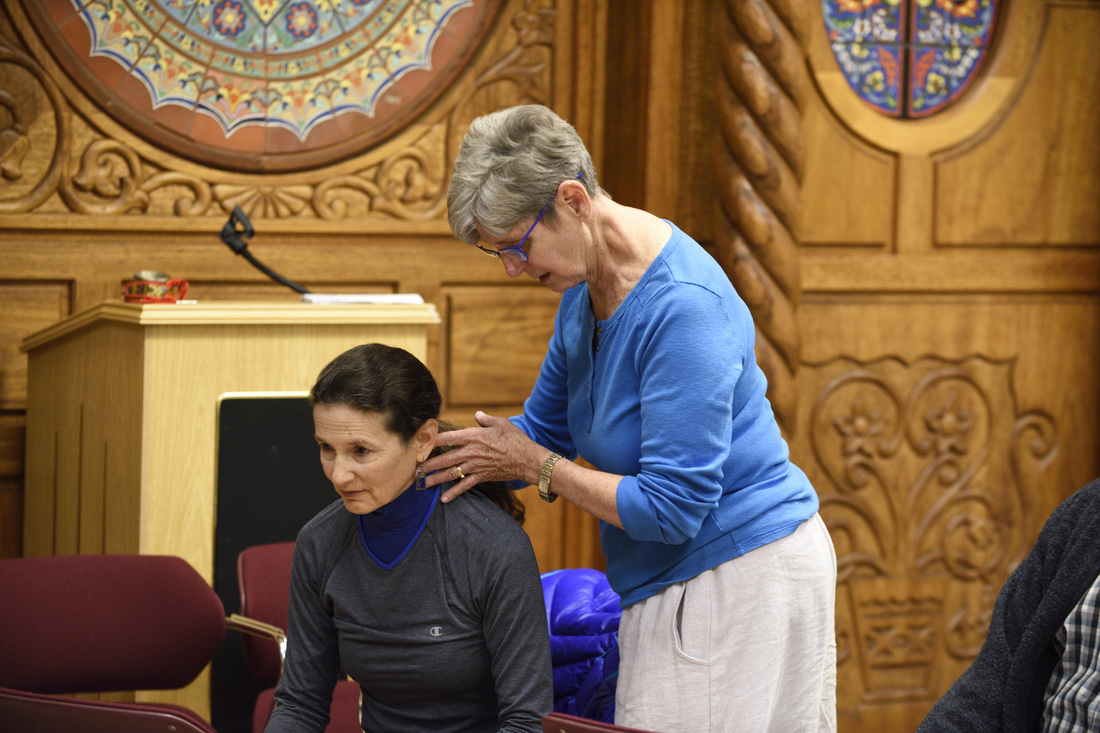
Another photo of me enjoying direction from Lyn Charleson-Klein during a workshop called “Monkeying Around” (again courtesy of Harvey Wolfson).

Picture
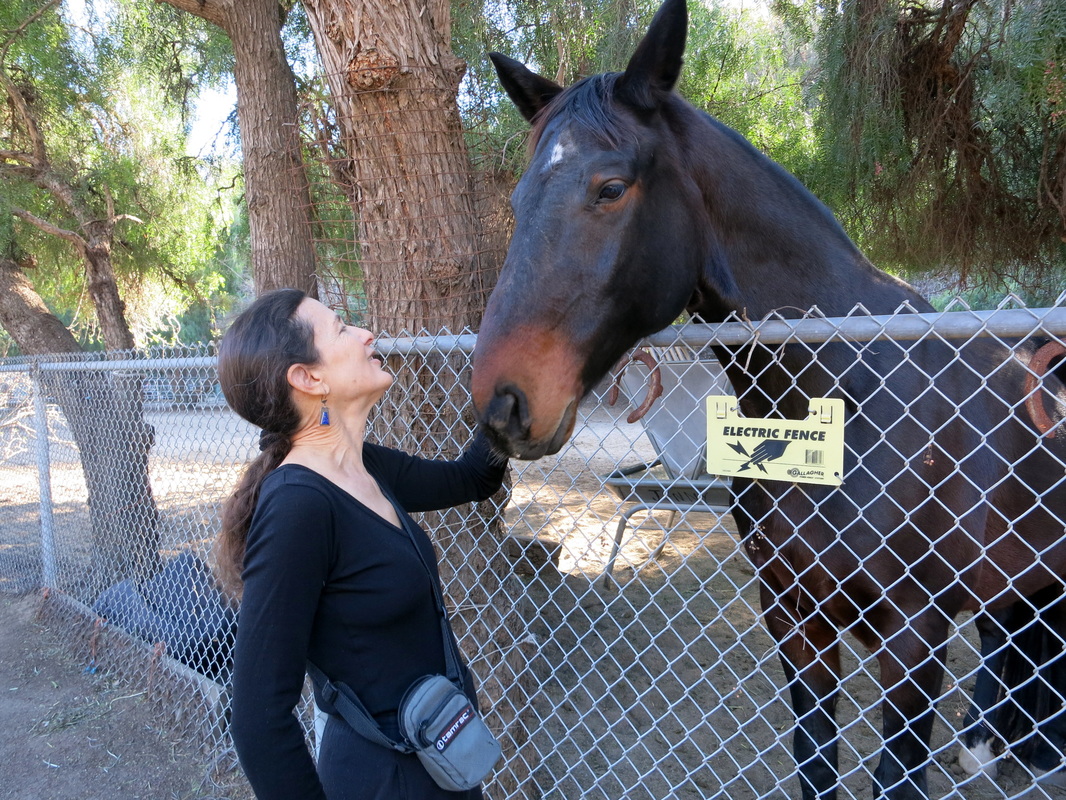
For something completely different - you can take a walk down the hill to where there are horses:

Picture
Or, you may cross the Pacific Coast Highway to the Malibu Lagoon:

Picture
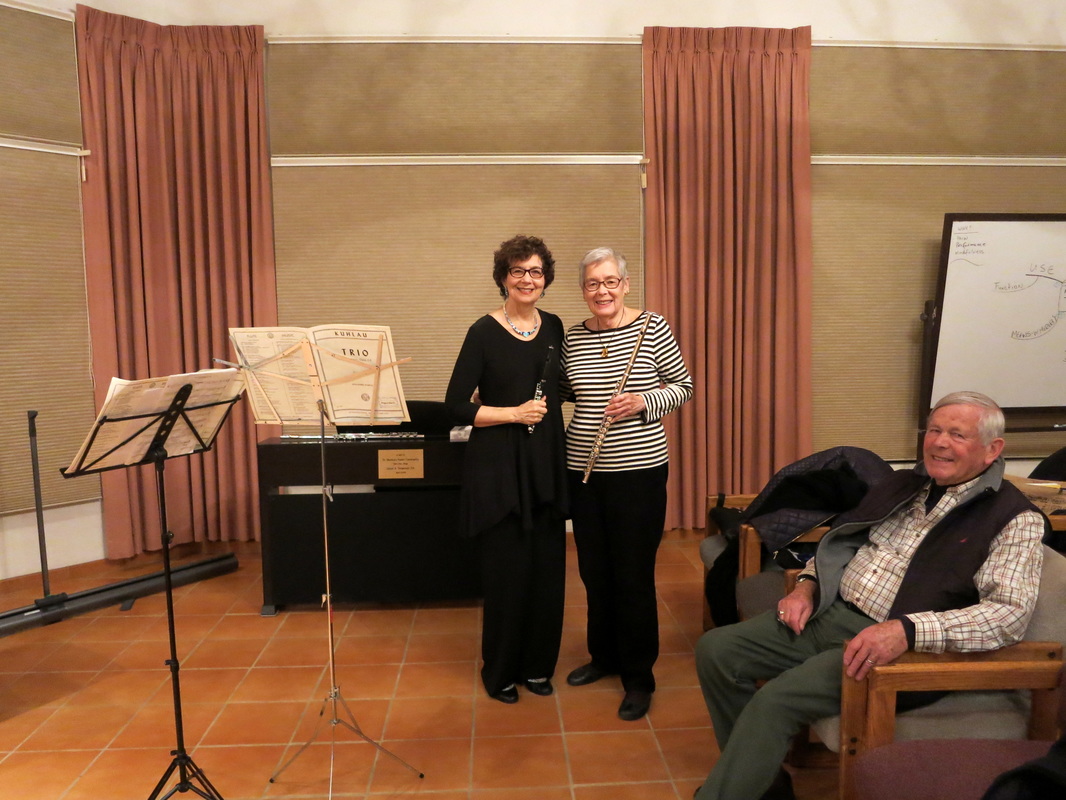
To top it off, we were treated to an amazing array of talent at the New Year’s Eve Concert.  Here are two of the performers, Susan Greenberg and Margaret Bowles:

Picture
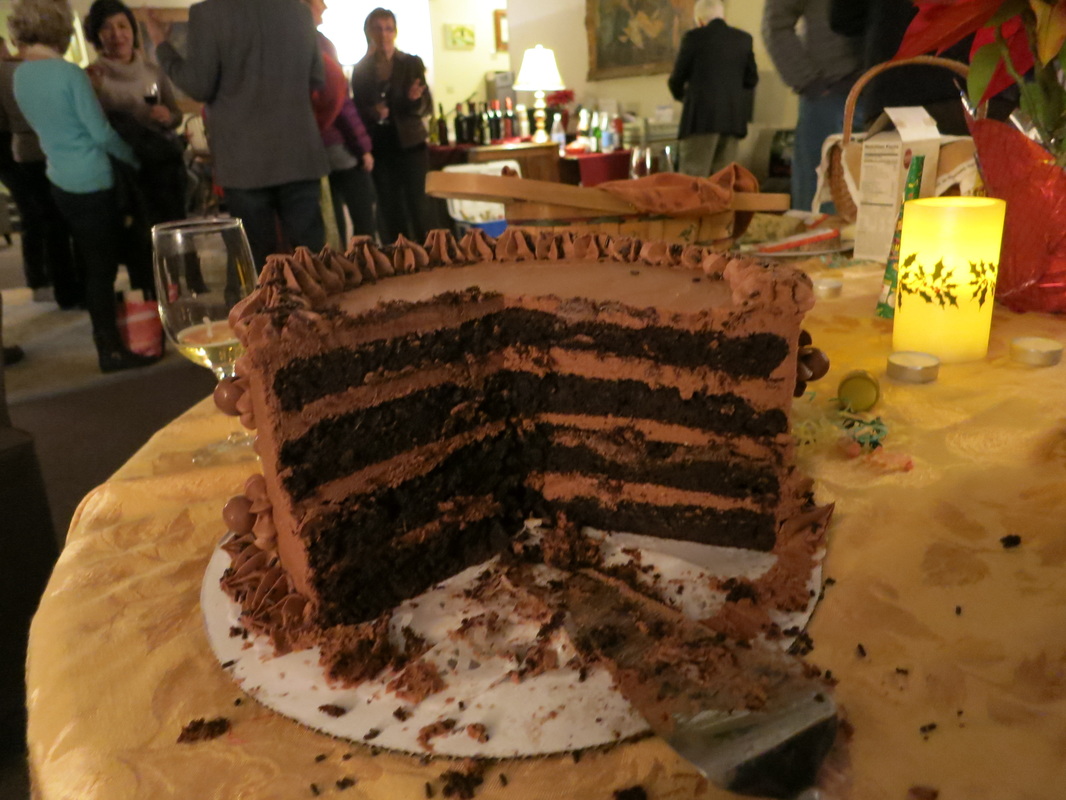
And then a party with lots of wine, cheeses, and an awesome chocolate cake:

Picture
Happy New Year to all and may you experience more awareness and uprightness in your body-mind!

0 Comments

Inside Out continued...

10/9/2015

0 Comments

 
Here’s another wonderful quote from the interview of Michael Frederick called “Inside Out:  The Journey of Michael Frederick”, which appeared in the Spring 2015 issue of AmSAT Journal.   

“Our work is psycho-physical-emotional re-education. It is not therapy even though there are obvious therapeutic benefits. When you’re well-organized, according to the Technique, all of your bodily systems are able to function more efficiently. When your circulation and respiration and the rest are able to do what they are designed to do with little to no interference, we naturally feel better. So what it really comes down to is the awareness of our “inner program”, our conditioned self and how we approach something, how we see the mechanicality that exists, the habit patterns that we’re locked into, and learning how to, without criticism, observe and move out of it.  All of this makes us feel better because we are learning how to change our state by changing our body posture. When we have proper use of ourselves, our whole chemical nature comes back to balance. This happens because we are empowered in that moment of choice. By moving from our habitual, known pattern into an unknown psychophysical awareness, our feeling is one of more integration. This feeling of awareness could be described as a Zen experience. There is no Self, only the thought that creates the self. Unless you have tasted something of no-mind, you cannot understand the paradox.  And hopefully the teacher will be able to help awaken that in the student! At least sowing the seeds a little bit. So what you are learning with getting in & out of the chair, is inhibition. You are learning to recognize the impulse to sit or stand, then by saying, “No!” to that persistent impulse to get it right, freedom of choice occurs. “


0 Comments

Inside Out with Michael Frederick

9/25/2015

1 Comment

 
To my delight the AmSAT Journal (our professional organization) printed a wonderful article about Michael Frederick (the man in charge of the wonderful Malibu workshop I went to last December) called “Inside Out:  The Journey of Michael Frederick.”  When I told him how much I enjoyed it, he graciously sent me a copy, which I would be happy to pass on.  It’s also available on his website:  www.michaeldfrederick.com/

Because it’s a long article, I’d like to quote a few interesting passages.  First is on the way the Alexander Technique can help with our personal transformation:

“The Alexander Technique is a conscious, mindful process of looking at one’s own habit patterns (mentally, emotionally and physically). This involves intentionally inhibiting the unnecessary patterns of interference by stopping inside and saying “No” to these habits. In this way, you can allow something new to enter in and make a more mindful choice. So the transformation is one from mindless or unconscious habit to mindful, intentional choice. (I’m using the word “inhibition” not in the Freudian sense of repression, but in the neurological sense of creating a space between a stimulus and our response.)”

Michael has had a lot of tragedies in his life, but he explains how AT has helped him deal with bereavement:

“What you are dealing with in the A.T. is more than just postural re-education. You are dealing with the fight-flight-freeze response and learning how to be free from this reactional pattern.  The reason our posture worsens is that we are locked into this fear response.  Imagine a conflict between what’s actually happening to us and what we wish was happening, i.e. the important phone call comes while you’re in the midst of cooking a complicated dish. Your attention is pulled into two directions simultaneously and this activates a low-level fight or flight response. The Technique teaches that you can choose something else for yourself. You have to go to the root of that response. A lot of Alexander teachers are only concerned about leaves on the tree but they don’t go to the root of the tree.  What we are really dealing with is fear and “thought in its wrong place”. That is to say, faulty perceptions and the illusion of Self.  We all have thoughts of insecurity, inferiority or general negativity. The problem isn’t having those thoughts. What matters is how you react to them. You know, thought is useful. But if thought wanders into the arena of comparison, of doubt, or some sort of self-loathing, and you lock into that, then you end  up simply agonizing.  

The thing about the A.T. is that it is applied to the present moment and it gets you out of your fear-reaction pattern, allowing inner freedom.  That’s the crux of the Technique: mindful awareness in movement.  Your body and breath only exist now. There is no past or future with this.”

“It’s not that you don’t feel your feelings, or that I didn’t get angry and cry and rage and all that.  You give yourself the appropriate amount of time and then you let it go.”

There are more gems from this interview I’d like to share with you, but will wait for next time in order to keep this fairly brief.


1 Comment

Michael Gelb's talk at the Malibu workshop

2/7/2015

0 Comments

 
Michael Gelb gave animated and inspiring talks every day during the Malibu workshop I attended in December.   Here are some of his key points. 

Qi is the formless fire of life.   Alexander Technique is qi gong.  Alexander Technique is the missing link for self knowledge.  Alexander Technique is a strategy for outwitting habit.  Working with a teacher helps us prevent doing the old habit.

In Michael Gelb’s first book,  Body Learning; an Introduction to the Alexander Technique, he lists seven basic ideas, which he says form the core of Alexander’s teachings.  These are:

Use and functioning – the way you use yourself affects the way you function

The whole person – mind-body unity, see yourself as whole

Primary Control – the first thing to attend to is the alignment of the head and neck

Unreliable sensory appreciation – (aka debauched kinaesthesia) – what we think we are doing is not what we’re really doing

Inhibition –noticing the space between stimulus and response is the first step in gaining control over our habits; abandoning what we were going to do

Direction – reinforcing the natural alignment of your body

Ends and means – focus on the means whereby rather than going straight for the end result; this allows you to consider yourself in the attainment of a goal

0 Comments

Malibu Workshop 2014

1/11/2015

0 Comments

 
January 9, 2015

I’m still flying high from the fabulous five day workshop in Malibu at the Serra Retreat:  http://serraretreat.com/  

Picture
Michael Frederick, a senior Alexander Technique teacher (Standing in photo below) (http://www.amsatonline.org/teacher/michaelfrederick) established this workshop 35 years ago:  http://alexandertechniqueworkshops.com/   

Picture
This was my first time to attend and I was blown away by the richness of the experience.  First there is the physical space itself perched atop a hill in Malibu complete with gardens and views of the Pacific Ocean. 

Picture
The attendees included ten senior teachers, many certified teachers, students in training courses, students who take lessons regularly and those who had never had any experience at all with AT!  And, what a variety there was!
a Methodist minister who is going to retire and do story telling at libraries
a Lutheran minister with a lovely voice
a woman studying to be a cantor with an astonishing voice

many instrumentalists – bassoon, oboe, flute, viola, piano, guitar, Native American flute – as well as many singers including Deborah Domanski: http://deborahdomanski.com/

I could go on and on.  Each participant had an interesting story to tell.

And a very special person, Gilla Nissan, led daily meditation sessions in the chapel in addition to giving a talk on the meaning of Hebrew letters one evening.  Then she spontaneously came up with the idea of inviting one of the Franciscan friars to come to the chapel for an open discussion.  She asked him questions, which he candidly answered.  He likes the new pope and welcomes the changes that are occurring and he hopes, will occur.  Words cannot describe this amazing inter-faith dialogue.  I wished it would have been recorded in some way.  Gilla’s website is:  http://thehebrewletter.com/

Gilla inspired three of her followers to come to the workshop without knowing anything about AT!  One of these is an equally amazing woman who is working for interfaith dialogue.  She speaks at least 4 languages, is extremely creative, tireless and delightful.  On New Year's Eve we had a party and a talent show where she premiered a song from a musical she is writing on interfaith dialogue and it was great! The previous day she made up AT inspired lyrics to Santa is Coming to Town and sang that at the party as well.  It was very funny and spot on.  Her website is:  http://www.minefieldsandmiracles.com/Bio.html

As if that wasn’t enough, we were treated to a daily lecture/demonstration by a well-known motivational speaker, Michael Gelb, who’s written fifteen books.  The first is called Body Learning and is a clear introduction to AT.  As a bonus we each got a signed copy of his latest book, Creativity on Demand.   (Michael is in a black shirt in the center)  http://michaelgelb.com/

Picture
In his lectures Michael zeroed in on the key points of the Alexander Technique, which I’ll send out to you next week.

0 Comments

John Dewey and F.M. Alexander

10/8/2014

0 Comments

 
August 26, 2014
After having lunch with a friend today, whose husband was a member of the John Dewey Society, I decided to share with you some information about the relationship this famous educator had with Alexander.

John Dewey (1859-1952) was an American philosopher and the most prominent voice of the school of philosophy known as pragmatism. He had an enormous influence on American education - indeed, he is sometimes referred to as the “father of American education”.

F. Matthias Alexander(1869-1955) was an Australian who made some very important discoveries about human functioning and behavior, and how individuals could be taught to improve these qualities in themselves. Alexander's discoveries, and the practical methods he and his followers developed for teaching them, form the basis of what has become known today as the Alexander Technique.

Dewey met Alexander in during World War I when Alexander was visiting New York and he had his first lessons from Alexander at that time. Dewey was then in his fifties, and he continued taking Alexander Technique lessons for the next 35 years.

“(Dewey) said that he had been taken by (the Alexander Technique) first because it provided a demonstration of the unity of mind and body. He thought that the demonstration had struck him more forcibly than it might have struck someone who got the sensory experience easily and quickly, because he was such a slow learner. He had always been physically awkward, he said, and performed all actions too quickly and impulsively and without thought. ‘Thought’ in his case was saved for ‘mental’ activity, which had always been easy for him. It was a revelation to discover that thought could be applied with equal advantage to everyday movements.

“The greatest benefit he got from lessons, Dewey said, was the ability to stop and think before acting. Physically, he noted an improvement first in his vision and then in breathing. Before he had lessons, his ribs had been very rigid. Now they had a marked elasticity which doctors still commented on, though he was close to eighty-eight."


0 Comments

To My Students

3/24/2014

1 Comment

 
March 17, 2014

To anyone who has taken a lesson with me on Alexander Technique,

While touch is the primary way in which we communicate this technique, most of the ‘work’ we do on ourselves is in our thinking.  I thought it would be interesting to send out an occasional email with excerpts from some readings in order to enhance our understanding.  Let me know if you would prefer not to receive these emails.

The first few emails will be devoted an article by Frank Ottiwell (my first teacher – 26 years ago!) called “The Alexander Technique:  A Matter of Choice”.   (see Frank Ottiwell for entire article.)

“The Alexander Technique is notoriously difficult to explain.  Any discussion of it, including this one, has a built-in drawback; the technique can’t really be explained verbally; you can’t just tell anyone how to do it.

Almost from my first Alexander lesson, however I felt I had “come home,” much in the way I’ve experienced arriving at a new place and feeling unaccountably comfortable in what should have been an unfamiliar surrounding.  I think this feeling has something to do with the essential simplicity and rightness of the Alexander work.  My body was quite simply being encouraged to go in the directions and move in ways that are natural to its structure and being discouraged from repeating the patterns that were leading it (me) into a complex of physical constrictions.

Before long I began to see that these constrictions were not just physical but were psycho-physical and that in addition to the more obvious physical orientation, I could apply the process of the Alexander Technique to a variety of issues I had previously thought of as strictly psychological, such as a generalized depression.”

1 Comment
<<Previous
    Picture

    Author

    Jeanne Benioff,  AmSAT certified Alexander Teacher in Redwood City, CA

    Archives

    May 2025
    January 2017
    March 2016
    January 2016
    October 2015
    September 2015
    February 2015
    January 2015
    October 2014
    March 2014
    August 2012

    Categories

    All

    RSS Feed

Powered by Create your own unique website with customizable templates.